


For Australian retailers, eCommerce packaging has become much more than a way to get products from warehouse to doorstep. It plays a direct role in product protection, freight costs, customer satisfaction, returns, and brand perception.
Unlike in-store retail, where customers experience your brand through displays, staff, signage and store design, online retail often has one major physical touchpoint: the package that arrives at the customer’s door. That makes packaging a powerful part of the customer journey.
The best eCommerce packaging strategy balances practicality with presentation. It should protect the product, reduce unnecessary shipping costs, support efficient packing, and create a positive first impression when the customer opens their order.
For Australian retailers, packaging decisions also need to account for local freight realities. Carriers such as Australia Post may calculate shipping costs using the greater of actual weight or cubic weight, meaning oversized packaging can quickly become expensive even when the item itself is light. [auspost.com.au]
Choosing the Right eCommerce Packaging Format
One of the first decisions retailers need to make is whether a product should be shipped in a satchel, mailer or box. There is no single right answer but the best option depends on the product’s size, weight, fragility, value and presentation requirements.
Satchels and mailers are often ideal for lightweight, flexible or non-fragile products. Apparel, accessories, soft goods and documents can usually travel safely in a satchel because they don’t need rigid structural support. Satchels are also easy to store, quick to pack and generally use less material than boxes.
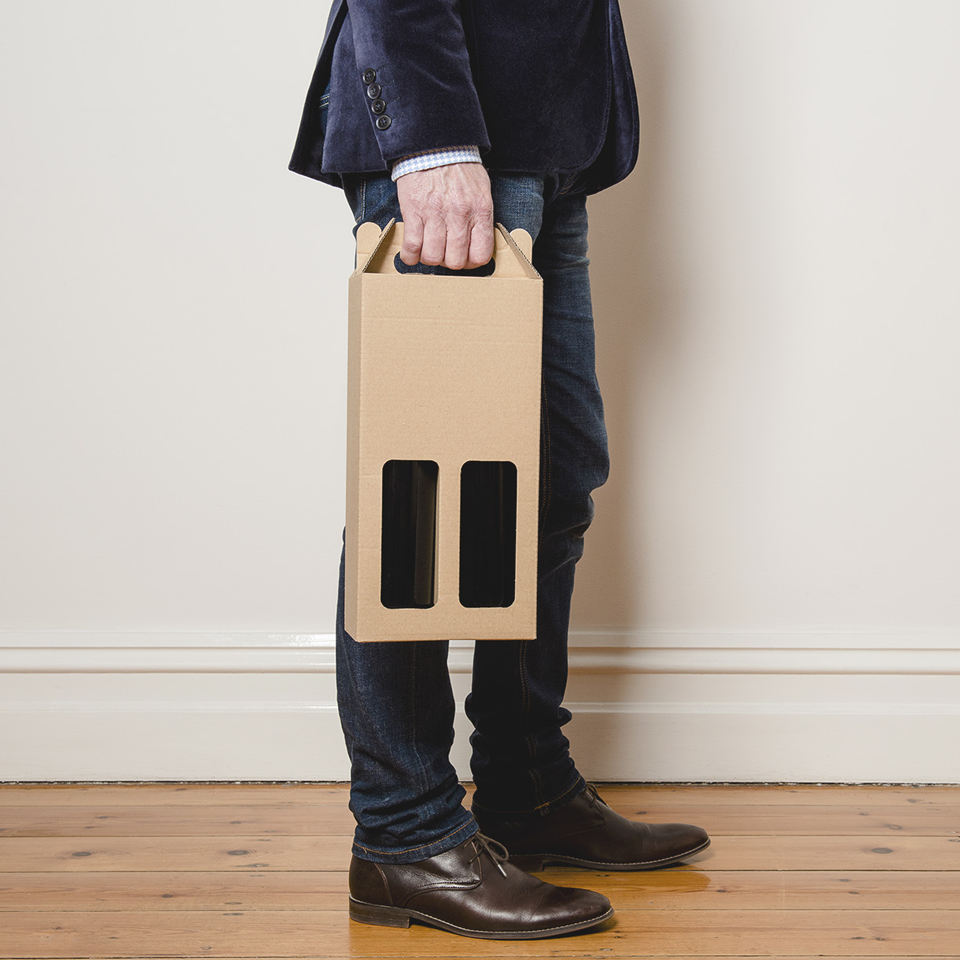
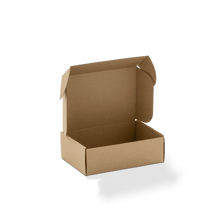
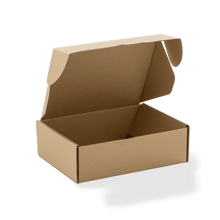
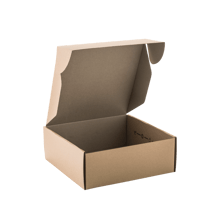
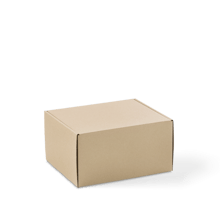
Boxes, on the other hand, are the better choice when protection is the priority. Retailers shipping glassware, homewares, candles, bottled liquids, ceramics, electronics or multi-item orders will usually benefit from the extra structure of a box. A well-sized box helps prevent crushing, allows space for protective cushioning, and gives the product a more secure environment during handling and delivery.
A strong packaging range often includes more than one option. That way, retailers can match the packaging format to the order rather than forcing every product into the same solution.
Padded vs Unpadded Mailers
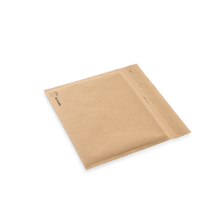
Mailers are a popular eCommerce option because they’re lightweight, space-efficient and simple to use. But it’s important to understand the difference between padded and unpadded mailers before choosing one for your product range.
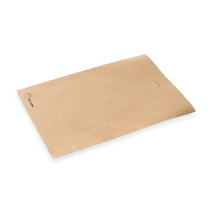
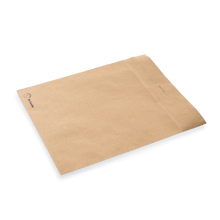
An unpadded mailer works best for items that are already soft, flexible or low-risk. Think clothing, textiles, printed materials, stationery or flat items that don’t require cushioning. These products may not need much more than a durable outer layer to protect them from scuffs, dust or handling during transit.
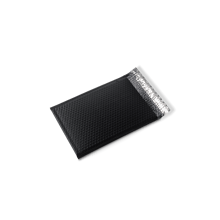
A padded mailer adds an extra layer of cushioning, making it suitable for smaller products that need moderate protection but don’t necessarily require a box. Beauty products, small accessories, books, compact gifts or lightweight retail items may be better suited to padded mailers when they need a little more care.
The key is to avoid using padded mailers as a substitute for proper fragile shipping. If a product can crack, shatter, leak or dent easily, a box with suitable internal protection is usually the safer option.
Satchels vs Boxes: What Should Australian Retailers Use?
The satchel-versus-box decision should come down to risk, cost and customer experience. Satchels are efficient, lightweight and practical, but they don’t offer the same level of rigidity as a box. Boxes provide stronger protection and a more premium presentation, but they take up more storage space and can increase freight costs if they’re not properly sized.
For everyday eCommerce fulfilment, retailers should consider:
- Use satchels or unpadded mailers for soft, lightweight and flexible items such as apparel, stationary and textiles.
- Use padded mailers for small items that need light cushioning but are not highly fragile.
- Use boxes for fragile, heavy, high-value, irregularly shaped or multi-product orders.
This approach helps keep packaging practical while reducing the risk of damage and unnecessary freight spend.
Packaging for Fragile Shipping
Fragile products need a more careful packaging strategy. Items such as bottled liquids, glassware, skincare in glass jars, candles, ceramics and electronics should never be packed based on convenience alone.
The most important principle with fragile shipping is movement control. If a product can move inside the parcel, it has a higher chance of being damaged. A strong outer box, internal cushioning and secure fit all work together to reduce risk.
For fragile goods, retailers should consider:
- A sturdy box with enough strength to withstand normal handling and stacking.
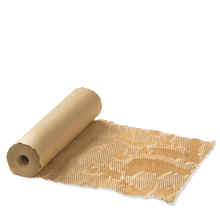
- Protective inserts, paper cushioning or void fill to stop movement inside the parcel.
- Clear packing processes so every team member packs fragile orders consistently.
The cost of better protection is usually far lower than the cost of replacing damaged stock, reshipping orders and managing disappointed customers.
Right-Sizing: Why Shipping Less Air Matters
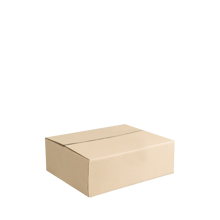
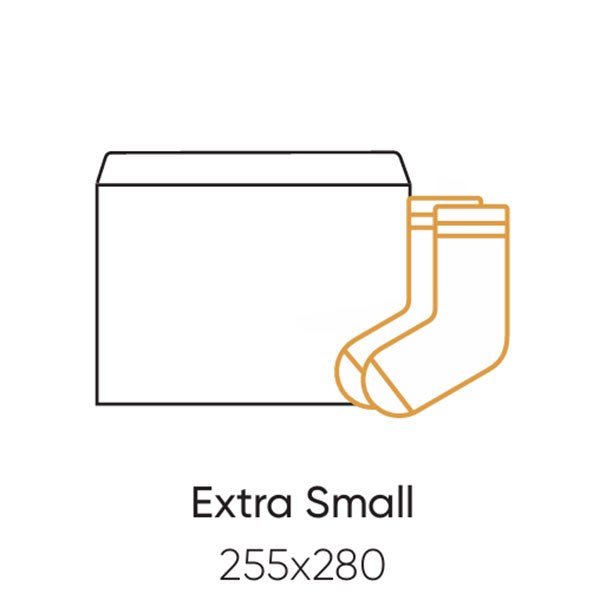
Right-sizing is one of the most important packaging principles in eCommerce. It simply means choosing packaging that closely fits the product while still allowing enough room for protection.
Oversized packaging creates a few problems. First, it usually requires more void fill to stop products moving around inside the parcel. Second, it can make the unboxing experience feel careless or wasteful. Third, and most importantly for retailers, it can increase freight costs through cubic or dimensional weight charges.
Australia Post explains that cubic weight is calculated based on parcel dimensions and may be used when it is greater than the actual weight. This means a large but lightweight box can cost more to send than expected because it takes up more space in the delivery network. [auspost.com.au]
FedEx also notes that dimensional weight pricing encourages more efficient packaging because carriers charge based on either actual weight or dimensional weight, whichever is greater. Efficient packaging can reduce unnecessary material use and help avoid paying to ship empty space. [fedex.com]
For retailers, right-sizing is a simple but powerful way to improve both cost control and customer perception.
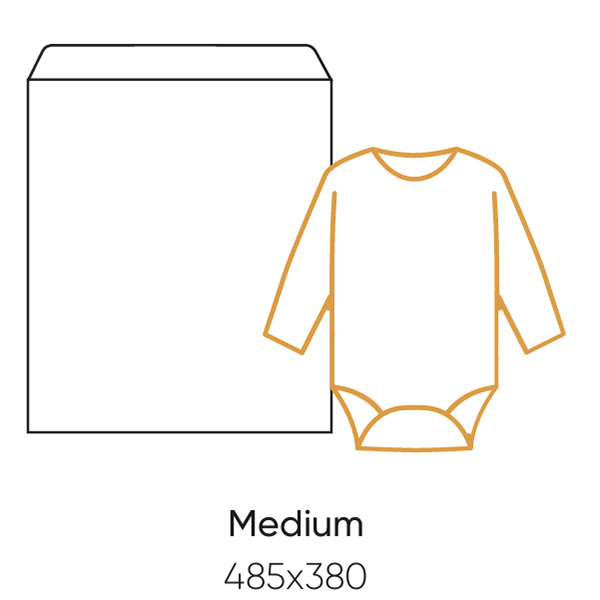
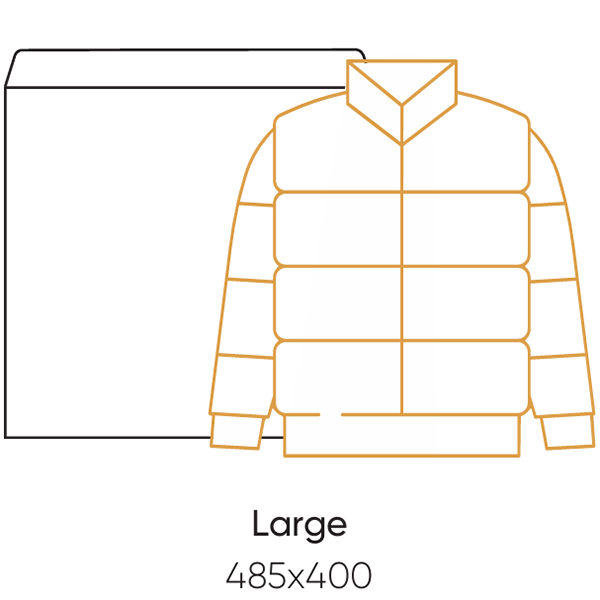
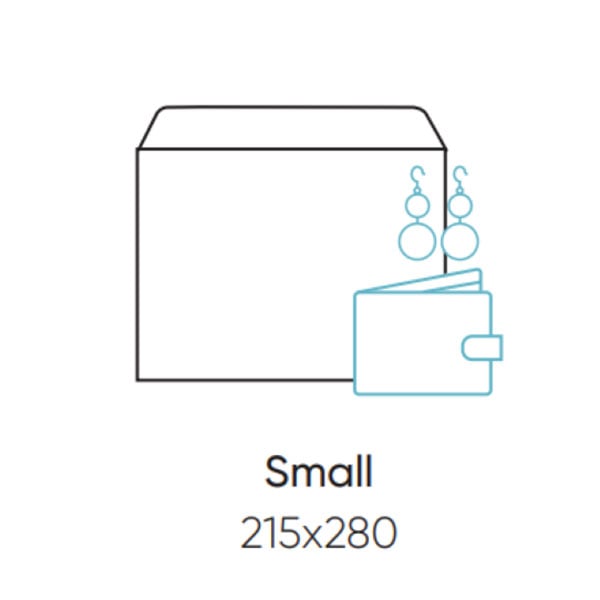
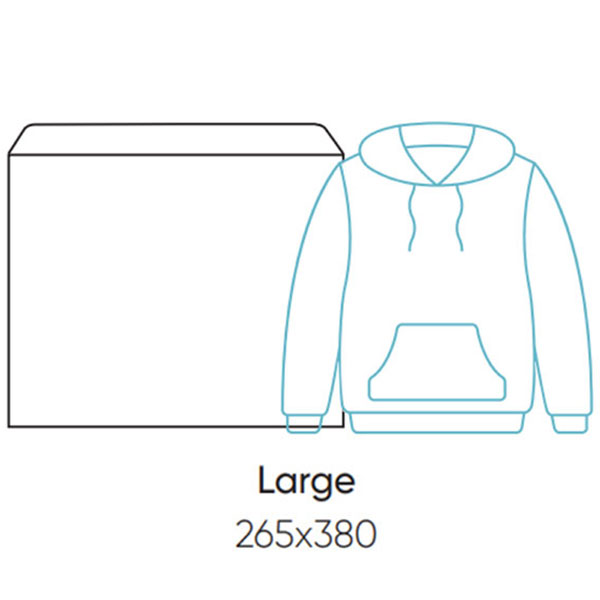
Understanding Dimensional Weight
Dimensional weight, also called cubic or volumetric weight, is one of the biggest reasons packaging size matters. It measures how much space a parcel takes up, not just how heavy it is.
For example, a lightweight product packed in a large box may be charged at a higher billable weight because the parcel occupies more room in a van, truck or sorting facility. Australia Post calculates cubic weight by multiplying length, width and height in metres, then applying its cubic conversion factor. [auspost.com.au]
This is why packaging should always be selected with both product protection and freight efficiency in mind. A box that looks “safe” because it is large may actually increase costs and still fail to protect the product if there is too much internal movement.
The goal is not to use the smallest packaging possible at all costs. It’s to use the most appropriate size: large enough to protect the product, but not so large that it adds unnecessary cost, waste or movement.
Branded Unboxing Without Overcomplicating Fulfilment
A branded unboxing experience doesn’t need to be elaborate to be effective. In many cases, the smallest touches make the biggest difference.
For eCommerce retailers, the package is often the first physical brand moment after purchase. A clean, considered unboxing experience can reassure the customer that they made the right choice. It can also help create a stronger emotional connection with the brand.
Branded packaging may include:
- Custom-printed tissue, stickers, tape or inserts that introduce colour and personality.
- A thank-you card, care guide or QR code that adds value beyond the product itself.
- Consistent packaging materials that align with the brand’s tone, whether minimal, premium, playful or sustainable.
The most important thing is consistency. A beautifully designed website followed by messy or poorly chosen packaging can create a disconnect. But when the packaging feels aligned with the brand, the whole customer experience becomes more polished.
Making Returns Easier for Customers
Returns are part of modern online retail, especially in categories like fashion, footwear, accessories and homewares. While retailers often focus on return policies, packaging can have just as much impact on how smooth the returns process feels.
Return-friendly packaging helps customers send items back without needing to find a new bag, box or roll of tape. This is particularly useful for apparel and accessories, where change-of-mind returns and size exchanges are common.
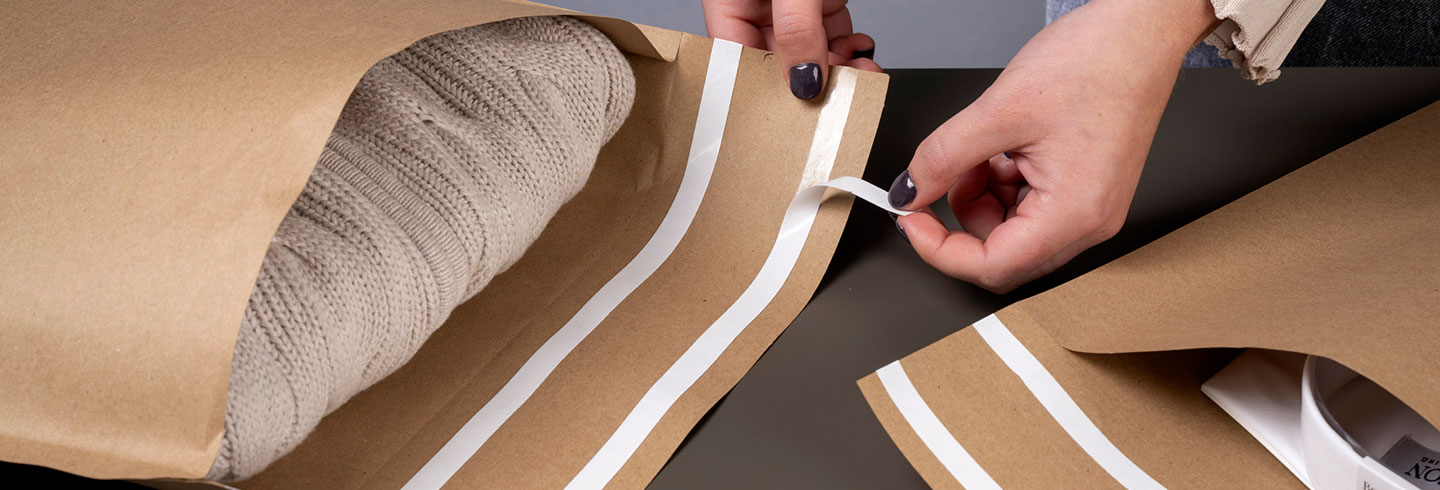
A resealable satchel or mailer can make the process much easier. The customer opens the parcel, tries the product, and if needed, reseals the same packaging for return. This reduces frustration, saves materials and creates a more professional post-purchase experience.
For retailers, easier returns can also improve operational efficiency. If returned products arrive in better condition and in appropriate packaging, warehouse teams can process them faster and with less waste.
Final Thoughts: Better Packaging Builds Better Retail Experiences
For Australian retailers, eCommerce packaging is a practical decision with strategic impact. It affects freight costs, product safety, operational efficiency, customer perception and returns.
Satchels and mailers can be excellent for lightweight and flexible products. Boxes are essential for fragile, premium or multi-item orders. Padded mailers offer a useful middle ground, while right-sizing helps reduce waste and control dimensional weight costs.
The strongest packaging strategies are not about choosing the cheapest option or the most decorative finish. They’re about choosing packaging that fits the product, supports the brand and makes the customer experience feel easy from delivery to return.