

When a customer steps away from your counter their purchase has officially entered the real world. Whether they have invested in a limited-release Barossa Shiraz, an artisanal Tasmanian gin, or a curated gift pack of regional delicacies, the physical bag in their hands is the very last tactile impression your business leaves with them.
In retail, touch is a silent storyteller. The reassuring firmness of a heavy-weight kraft bag communicates care, quality, and quiet craftsmanship. Conversely, a flimsy carrier that sags under the weight of a sparkling bottle diminishes the experience before the cork is even pulled.
Choosing the right carrier is both an aesthetic art and a structural science. Here is your definitive guide to selecting the ideal bottle bags, multi-pack carriers, and gift packaging to protect your product and carry your brand further.
What Is the Best Wine Bottle Bag?
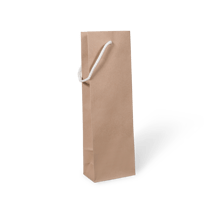
The best wine bottle bag depends on the product being carried. Single bottle kraft wine bags suit cellar door purchases, while reinforced multi-bottle carriers are better for gift packs and mixed wine sets. For premium gifting, rope handle wine bags provide a more luxurious presentation, while heavy-duty corrugated carriers offer maximum protection for multiple bottles.

Understanding the Physics: Bottle Weights and Structural Integrity
Before exploring aesthetics, retail packaging must solve a non-negotiable functional challenge: weight support.
Wine and spirit bottles are substantially heavier than standard retail goods. Selecting an under-specified paper bag risks handle failure or burst bases, turning a high-end customer purchase into a costly loss.
How Much Does a Wine Bottle Weigh?
A standard 750ml bottle does not weigh 750 grams. Liquid volume accounts for approximately 750g, but commercial glass adds significant mass:
Standard Still Wine (750ml): Standard lightweight to medium glass bottles weigh between 420g and 550g empty, bringing the total filled weight to roughly 1.2kg to 1.35kg.
Heavyweight Reds & Punted Bottles: Premium reserve bottlings often use thick-walled antique glass with deep punts, weighing 700g to 900g empty. A filled bottle regularly reaches 1.5kg to 1.7kg.
Sparkling & Traditional Method Wines: To withstand internal atmospheric pressure (up to 6 bar), sparkling and Champagne bottles require thick, reinforced glass weighing up to 900g empty. A single filled bottle weighs between 1.6kg and 1.8kg.
Artisanal Spirits & Craft Gin: Bespoke distillery bottles often feature solid glass bases that push individual unit weights past 1.8kg.
When packing multiple bottles, this weight compounds quickly. Two premium sparkling bottles weigh upwards of 3.4kg, while a three-bottle flight exceeds 5kg.
Paper GSM and Baseboard Reinforcement
To carry this load without sagging, look for packaging engineered specifically for bottles. Key structural benchmarks include:
High-Weight Kraft Paper: Standard retail bags buckle under dynamic bottle loads. Dedicated bottle carrier bags should utilise heavy-weight kraft paper to resist tearing.
Fitted Baseboards: Look for premium single and multi-bottle wine bags that incorporate rigid cardboard base inserts. The baseboard distributes bottle weight evenly across the entire bottom seam, preventing the base from bowing and allowing the bag to stand upright independently on your packing bench.
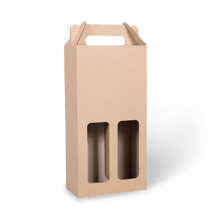
Corrugated Fluting for Heavier Loads: For carrying two, three, or six bottles together, heavy-gauge kraft fluted board provides the crush-resistance and tensile strength needed to hold up to 13kg safely.
How to Choose Between Single and Multi-Bottle Wine Bags: Matching Bag Architecture to Basket Size
Every bottle shop and cellar door aims to increase basket size. Having the appropriate carrier readily accessible at the point of sale removes friction from multi-bottle purchases.
|
Carrier Format |
Ideal Use Case |
Key Sensory & Practical Advantage |
Recommended PaperPak Product |
|
Single Bottle (1-Bottle Bag) |
Standard cellar door purchases, luxury gift presentations, single spirits |
Slimline profile keeps bottle upright; minimal movement; easy counter packing |
|
|
Multi-Bottle (2 & 3-Bottle Bags) |
Cellar door tasting sets, curated varietal pairings, corporate gift bags |
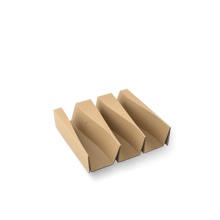
Built-in dividers or wide gussets prevent bottle collision and clinking |
|
|
Heavy-Duty Carry Packs |
Craft beer 4-packs, cider runs, 2–3 bottle cellar door takeaway packs |
Rigid fluted kraft carton protects glass and provides a comfortable top handle |
|
|
Laydown Cartons with Inserts |
Museum releases, vertical vintage sets, postal-ready regional purchases |
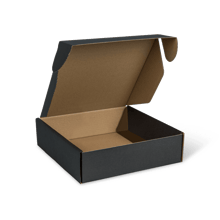
Bottles lie flat in protective cells; premium gift unboxing experience |
|
|
Tall Distillery Bags |
Long-neck spirits, craft vodka, artisanal olive oils |
Extended height prevents bottle necks from protruding awkwardly over top edge |
Which Wine Bag Handle is Best? Sensory Touchpoints at the Counter
The handle of a shopping bag is the primary physical interface between your brand and your customer. The grip, texture, and flexibility of a handle subtly influence the customer's perception of product value.
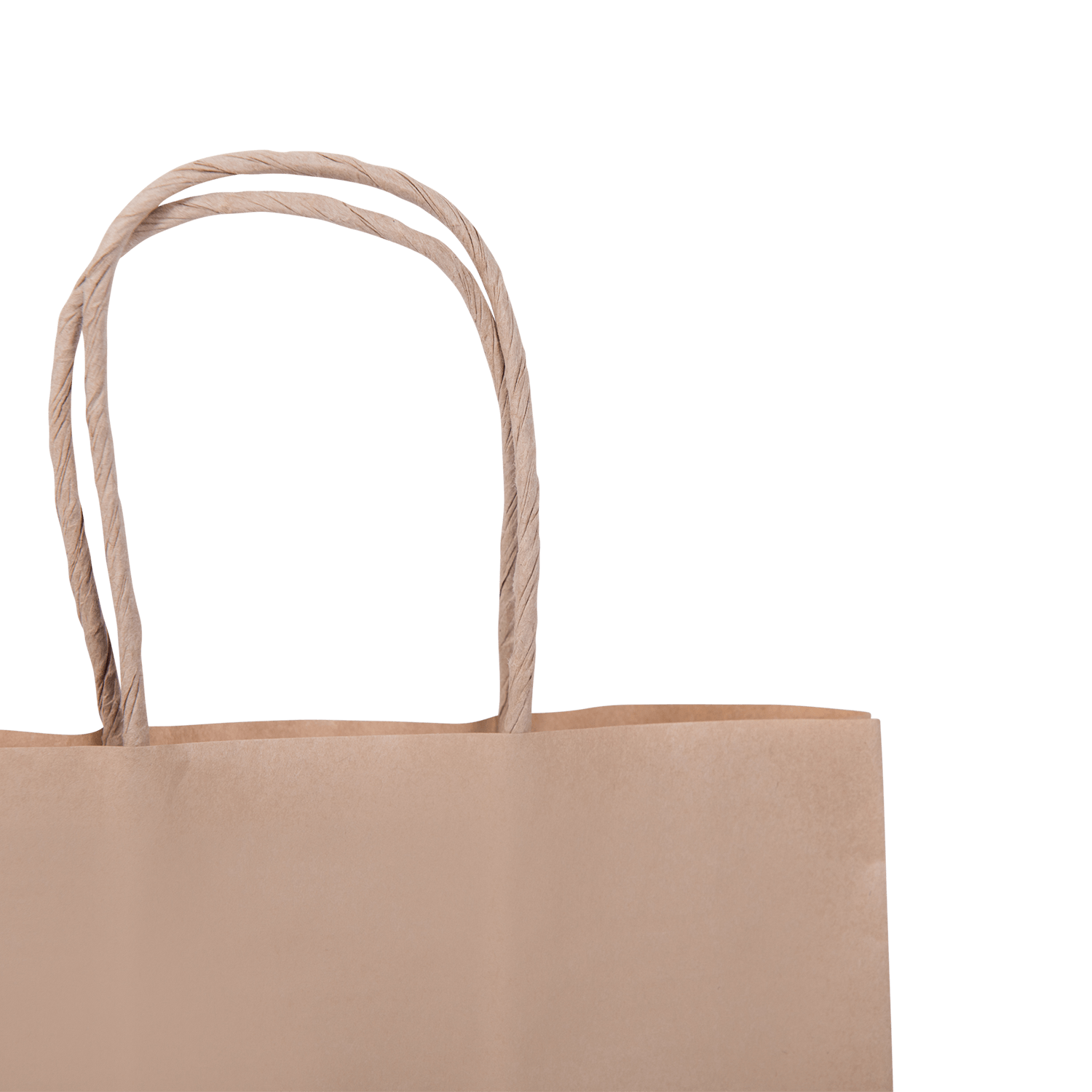
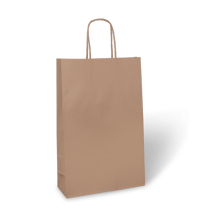
1. Paper Twist Handles
Formed from twisted strands of durable kraft paper glued securely into reinforced interior patches, paper twist handles are the workhorse of boutique retail.
Sensory feel: Crisp, natural, and honest. They communicate authentic artisan values and environmental responsibility.
Best suited for: Fast-paced cellar door shifts, independent bottle shops, and organic food grocers where bottles need robust support.
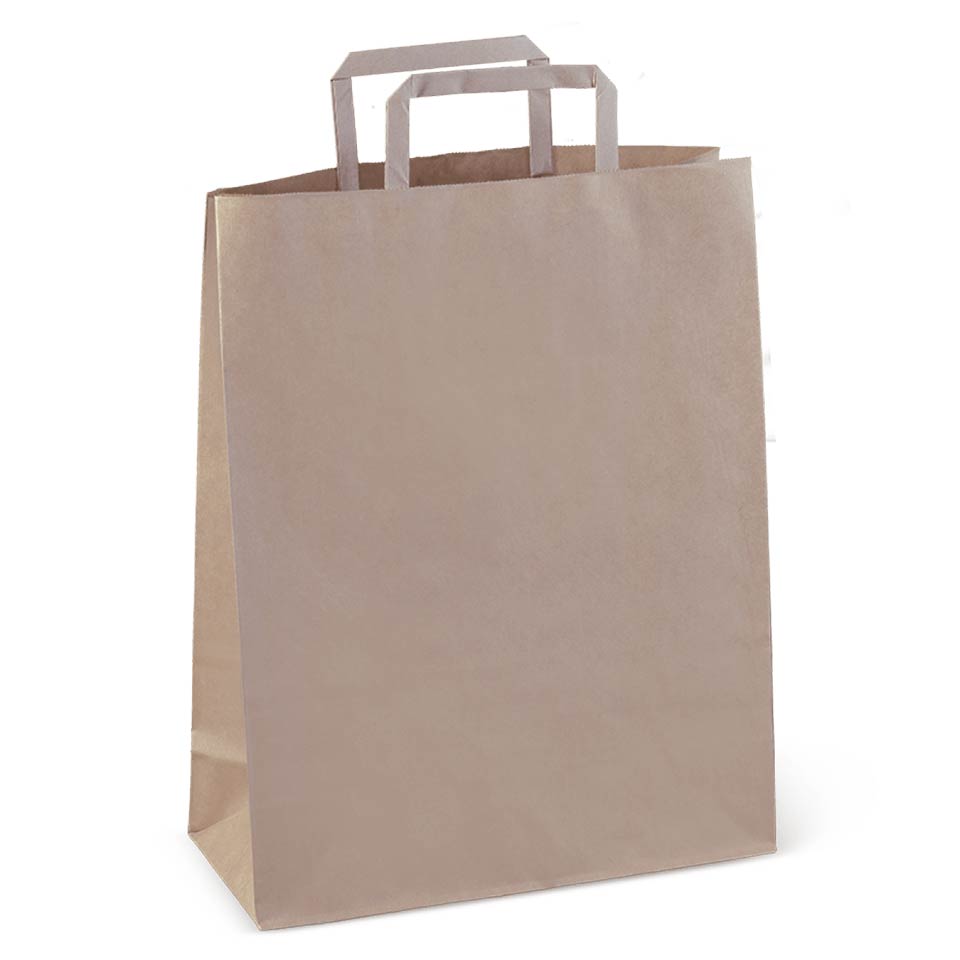
2. Flat Fold Handles
Constructed from folded paper tape adhered flat against the interior or exterior of the bag.
Sensory feel: Clean, functional, and contemporary.
Best suited for: High-volume gift shops and retail merchants with limited counter and backroom storage. Because flat fold bags pack completely flat with minimal bulk, they save valuable carton storage space in compact urban premises.
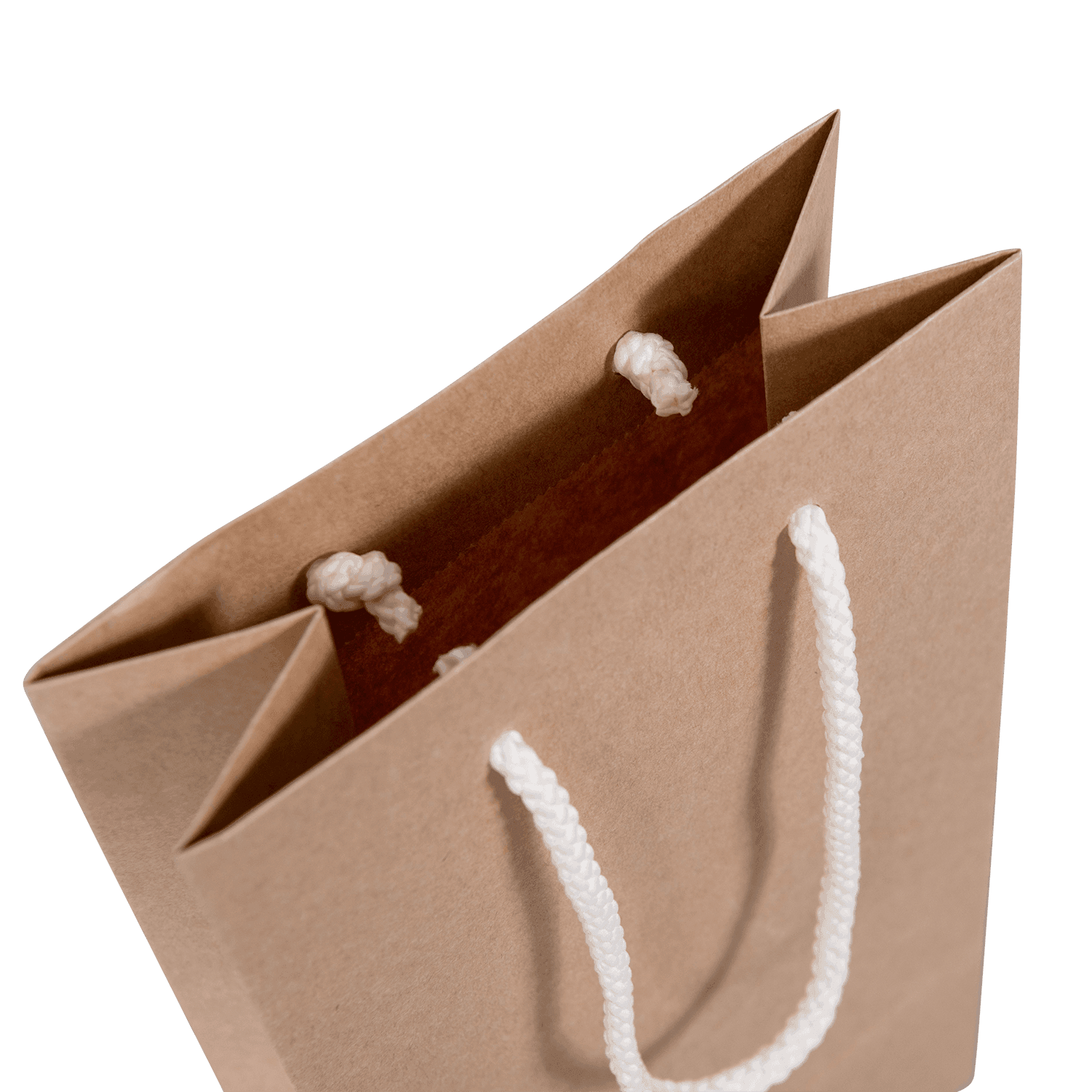
3. Braided Rope Handles
Made from braided cotton or paper cord knotted through reinforced eyelets or turnover tops.
Sensory feel: Traditional luxury, elegant drape, and ceremonial gifting appeal.
Best suited for: Flagship cellar doors, premium gift hampers, commemorative vintages, and high-tier corporate gifting.

4. Die-Cut Handles (DCUT)
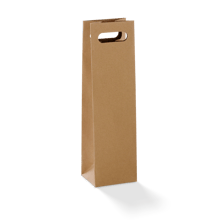
Integrated directly into the bag silhouette or corrugated carry pack, die-cut handles provide an uninterrupted, modern aesthetic.
Sensory feel: Sleek, balanced, and direct. The carrier feels like an architectural case rather than a shopping bag.
Best suited for: Craft distilleries, modern tasting rooms, and take-home beverage packs. PaperPak's Tall Distillery Bottle Bag uses a reinforced die-cut handle to maintain clean vertical proportions around tall bottle profiles.
Seasonal Agility: Navigating Australia & New Zealand’s Retail Peaks
Retail demand across Australia and New Zealand runs in distinct waves:
Spring Racing & Corporate Gifting (October – November): Corporate hamper assembly and end-of-year staff gifts spike sharply.
The Christmas & Summer Holiday Rush (December – January): High footfall in cellar doors and tourist destinations, driven by domestic travellers and international visitors.
Mother's Day & Father's Day: Key retail gift shop surges for premium spirits, sparkling wine, and curated lifestyle bundles.
The Problem with Single-Use Seasonal Packaging
Purchasing high minimum-order runs of custom-printed Christmas bags frequently leads to dead inventory in January. Once the holiday passes, holiday-specific packaging cannot be reused without looking outdated.
A Smarter Seasonal Strategy
Top-performing retailers use versatile foundation carrier bags and add seasonal accents:
- Invest in Core Neutral Stock: Use high-quality natural kraft and midnight black carriers from PaperPak's Wine & Bottle Range as your year-round baseline.
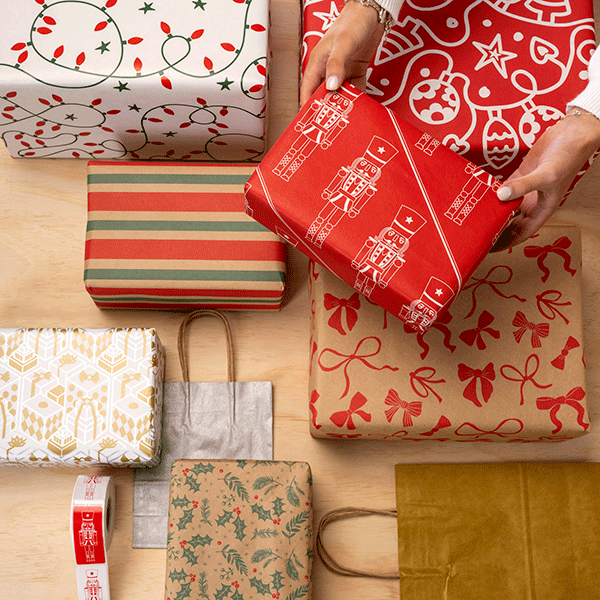
- Rotate Seasonal Colour Pops: PaperPak regularly issues on-trend seasonal colour palettes for gift bags, labels, and tissue paper. Introducing deep forest greens, rich burgundies, or warm terracottas transforms neutral bags into festive sets.
- Flexible Customisation: Custom stamps, seasonal belly bands, and branded self-adhesive seals allow staff to brand plain stock on demand during peak counter shifts without tying up capital in obsolete printed cartons.
Turning Everyday Carry into Brand Equity
A wine bottle bag is never just a bag. In the hands of an appreciative visitor departing your cellar door, it is a mobile endorsement of your craft. As they walk down the main street, or hand the gift across a dinner table, your packaging announces the care you take with your brand.
By pairing durable paper construction with comfortable handles and thoughtful unboxing details, you safeguard your bottles against accidental breaks while delivering an experience customers remember long after the bottle is empty.
Explore the complete collection of PaperPak's Wine and Bottle range to discover Australian-made, sustainable packaging that carries your brand further.