


When Should You Order Christmas Packaging?
Why Christmas Packaging Planning Starts Earlier Every Year
For many retailers, Christmas preparation begins months before December arrives.
Consumer shopping behaviour has shifted significantly, with more shoppers spreading purchases across October and November, supported by major retail events such as Black Friday and Cyber Monday. Roy Morgan forecasts Black Friday and Cyber Monday spending to reach approximately $6.8 billion, highlighting the importance of being prepared well before the traditional Christmas rush.²
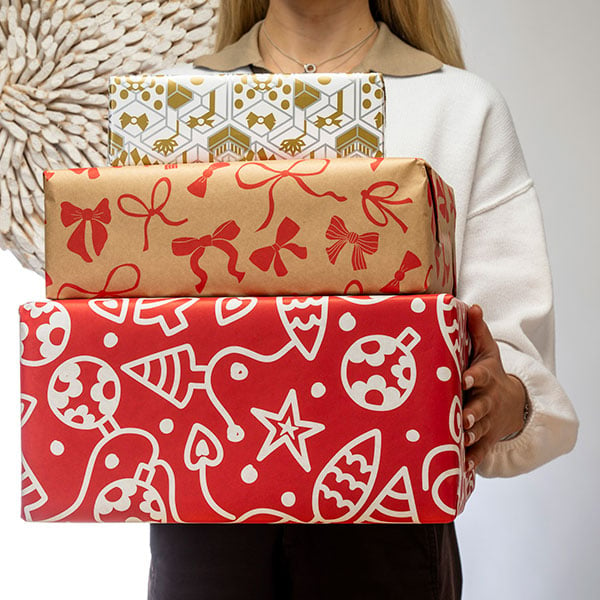
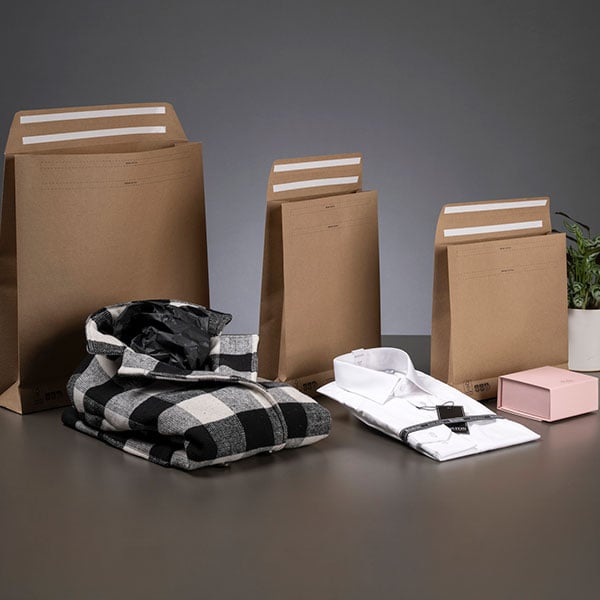
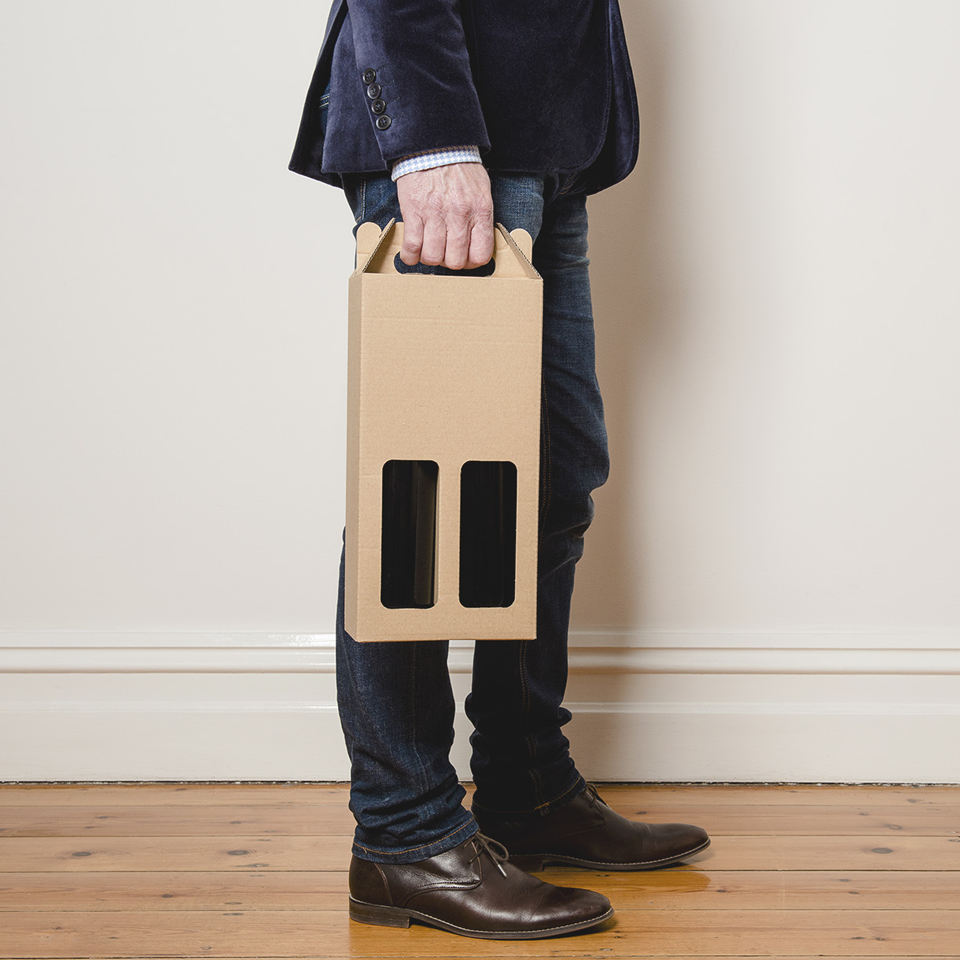
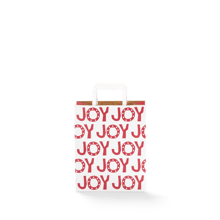
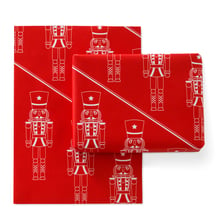
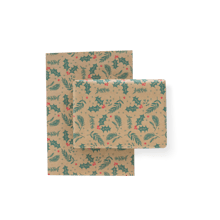
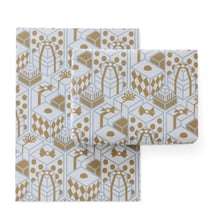
Whether you're ordering Christmas gift bags, wrapping paper, tissue paper, wine packaging or ecommerce mailers, planning ahead helps ensure stock is available when demand increases.
A Practical Christmas Packaging Timeline
September: Review and Plan, Forecast and Order
This is the ideal time to review previous festive season performance and assess packaging requirements. Analyse which packaging formats were most frequently used, review sales trends, establish budgets and determine whether stock or custom printed packaging will best support your Christmas strategy.
Starting early also provides an opportunity to discuss seasonal lead times and product availability with your packaging supplier.
Once your Christmas promotions and product ranges have been finalised, it's time to forecast packaging quantities and place orders.
At this stage, retailers should confirm requirements across gift bags, wrapping paper, tissue paper, ecommerce packaging and seasonal accessories. This is also typically the final period to comfortably order custom printed packaging before seasonal demand affects production schedules.
October: Stock and Prepare
As Christmas approaches, attention should shift towards receiving stock, preparing storage areas and ensuring retail and fulfilment teams are ready for peak trading.
Having packaging delivered and organised before November allows staff to focus on customers rather than chasing supply during the busiest time of year.
Understanding Packaging Lead Times
One of the most common Christmas planning mistakes is underestimating lead times.
Custom printed packaging provides valuable branding opportunities, but it requires additional time for artwork approvals, production and freight. Stock packaging offers shorter lead times and greater flexibility, making it a practical solution for retailers looking for faster turnaround times.
Many retailers successfully combine custom elements such as tissue paper, stickers or labels with stock gift bags and wrapping products to balance presentation and efficiency.
Forecasting Christmas Packaging Requirements
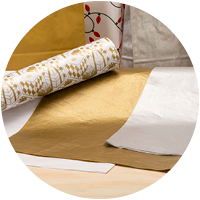
Accurate forecasting is one of the most effective ways to avoid unnecessary costs and stock shortages.
Start by reviewing packaging usage and sales volumes from previous Christmas periods. Once a baseline has been established, adjust requirements to reflect anticipated growth, promotional activity and any expansion into new sales channels.
It is also worth including a small contingency buffer to cover unexpected demand, damaged stock or packing errors.
Freight Considerations for Australian Retailers
Australia's size creates unique freight challenges during peak trading periods.
While metropolitan businesses generally benefit from shorter transit times, regional retailers often need to account for longer delivery windows, particularly as freight networks face increased pressure throughout November and December.
Ordering packaging well before Christmas can help minimise risk and improve supply certainty.
Stock vs Custom Christmas Packaging
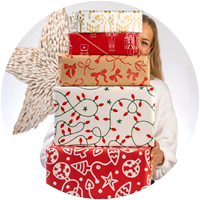
Retailers often ask whether custom packaging is worth the additional investment.
Stock Packaging
Stock packaging is ideal for businesses seeking flexibility, shorter lead times and lower upfront costs. It can usually be replenished more quickly and is particularly useful for retailers managing fluctuating demand.
Custom Packaging
Custom packaging is best suited to businesses looking to strengthen brand recognition and create a more premium customer experience. While it requires additional planning, it can become a valuable extension of your brand.
For many businesses, a combination of stock packaging and selected custom elements offers the best balance of cost and impact.





Frequently Asked Questions
When should retailers order Christmas packaging?
Retailers should ideally begin planning between June and August and finalise custom packaging orders by September.
How much Christmas packaging should I order?
Review previous Christmas sales data, factor in business growth and include a contingency allowance for unexpected demand.
What is the difference between stock and custom packaging?
Stock packaging offers faster availability and shorter lead times, while custom packaging provides enhanced branding opportunities.
What packaging products should retailers forecast?
Most retailers should consider requirements for gift bags, wrapping paper, tissue paper, gift boxes, ecommerce packaging and seasonal accessories.
Prepare Early for Christmas Success
The most successful Christmas retailers don't leave packaging decisions until the last minute.
By forecasting accurately, understanding lead times and securing stock ahead of peak season, retailers can create a smoother customer experience while reducing operational challenges during the festive period.
1 Roy Morgan Research: Record Black Friday weekend bonanza tipped to hit $6.8 billion as shoppers chase value [Roy Morgan Press Release](https://www.roymorgan.com/findings/10053-ara-roy-morgan-media-release-christmas-spending-peak-season-2025)